

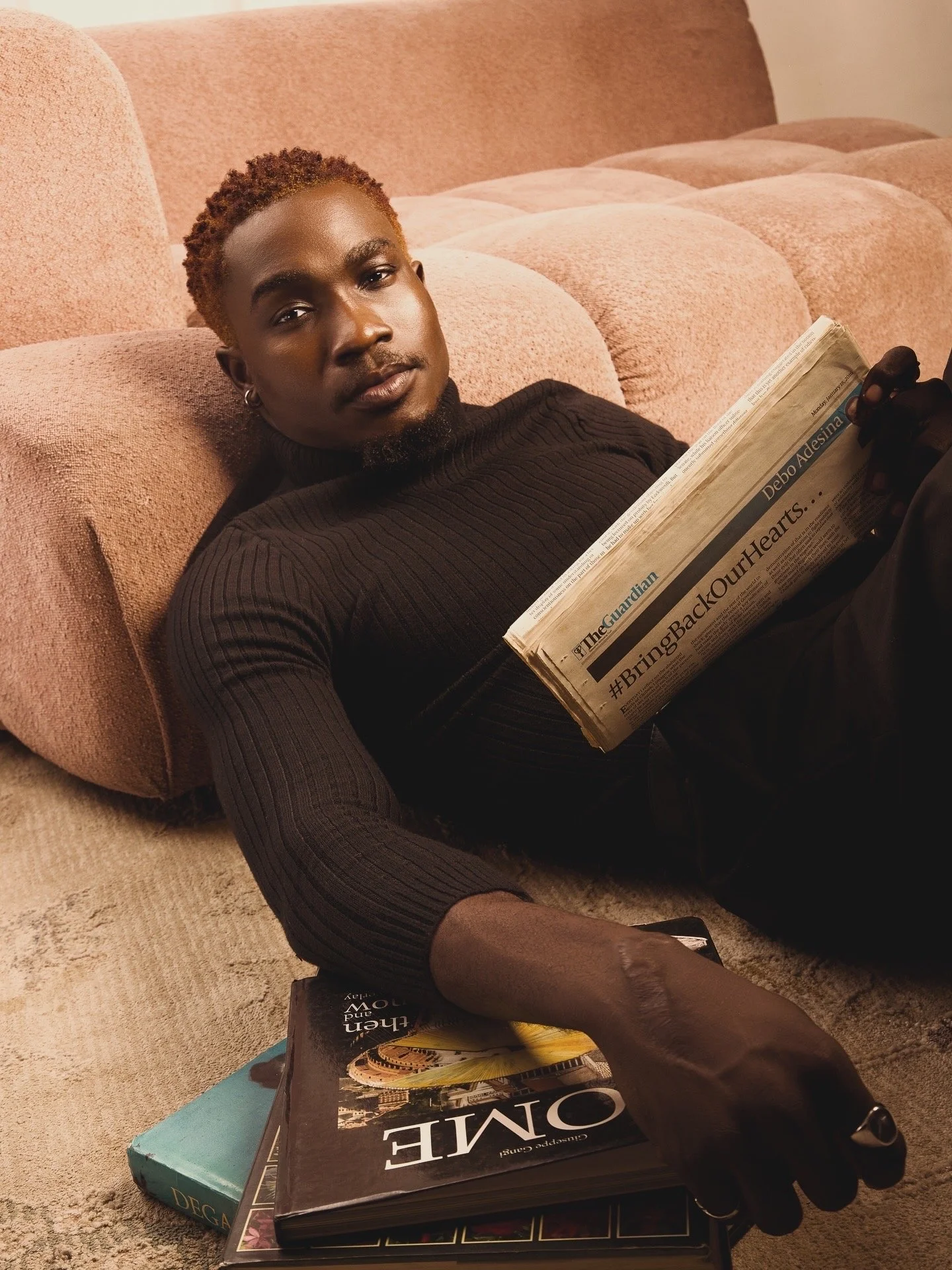
Durotimi’s dedication to understanding story mechanics extends well beyond performance.
PHOTOGRAPHY BY CHUXOSAKWE
BY LOVE OLUSEGUN
July 29, 2026.
From transforming on screen across wildly divergent roles to shaping narratives from behind the lens, actor, writer, and director Durotimi Okutagidi treats every project as a masterclass. When he first stepped into the world of acting, his greatest apprehension had little to do with whether he would secure roles. Instead, it was the fear of being placed in a box, the subtle trap where an audience decides who an actor is before the lights even fade. "Once an audience believes you can only play one type of character, it becomes difficult to surprise them." That refusal to be categorized has become the defining force of his career. Rather than playing it safe, Durotimi has deliberately chosen roles that challenge both his physical presence and emotional range, treating each project as a chapter in an ongoing study of human nature. From Kola in “The Lost Days” a character steeped in internal conflict and heavy emotional layers, to Young Boma in “Dear Future Wife” a role defined by hope, innocence, and a vastly different emotional cadence, and 100 in “Son Of The Soil” a physically demanding, restrained performance driven entirely by survival, showing how harsh environments and extreme circumstances reshape human morality. For him, these aren't merely separate gigs on a résumé. They are distinct windows into the human experience. The insights gathered on set don't just stay in front of the camera, they sharpen his eye as an observer in real life.
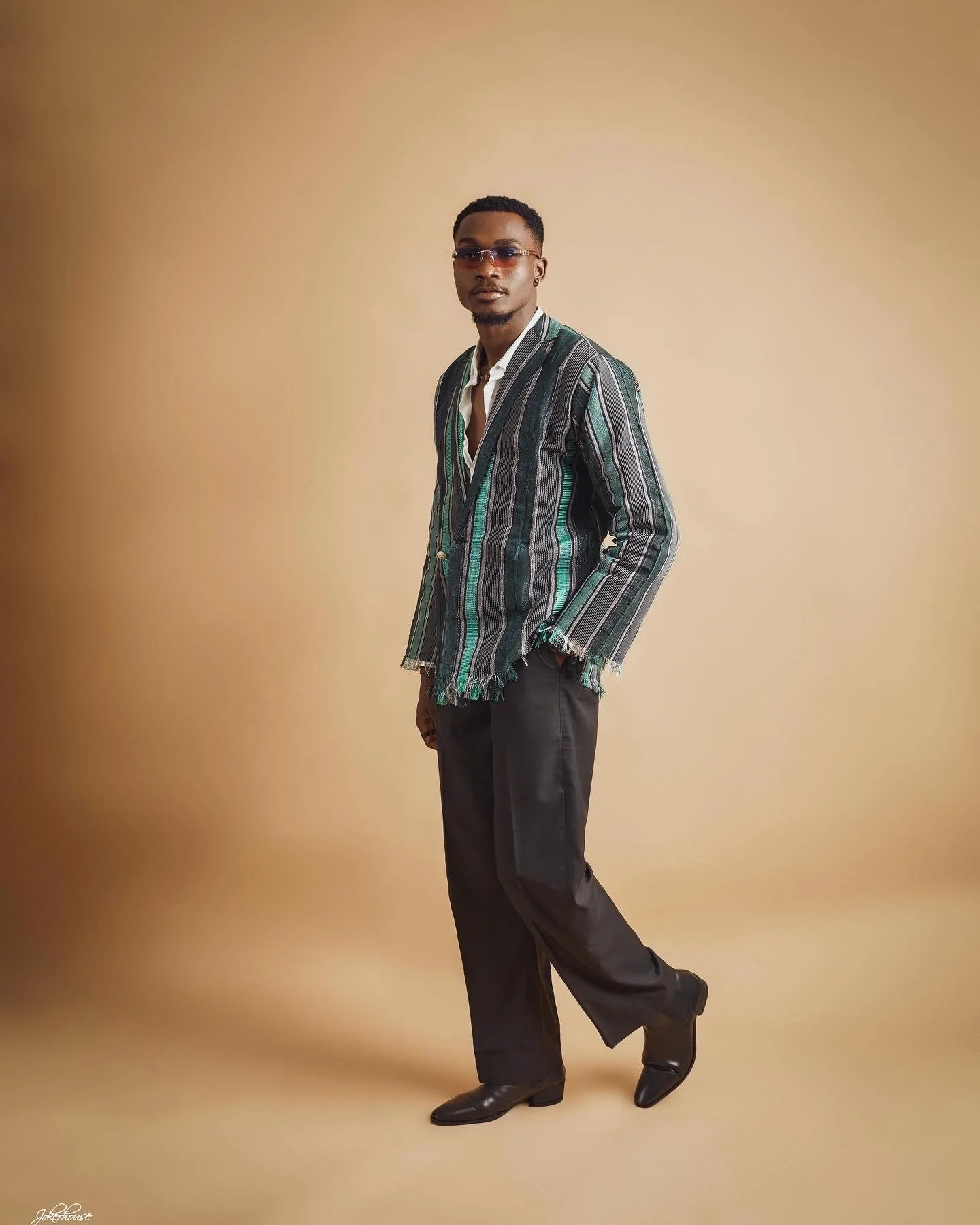
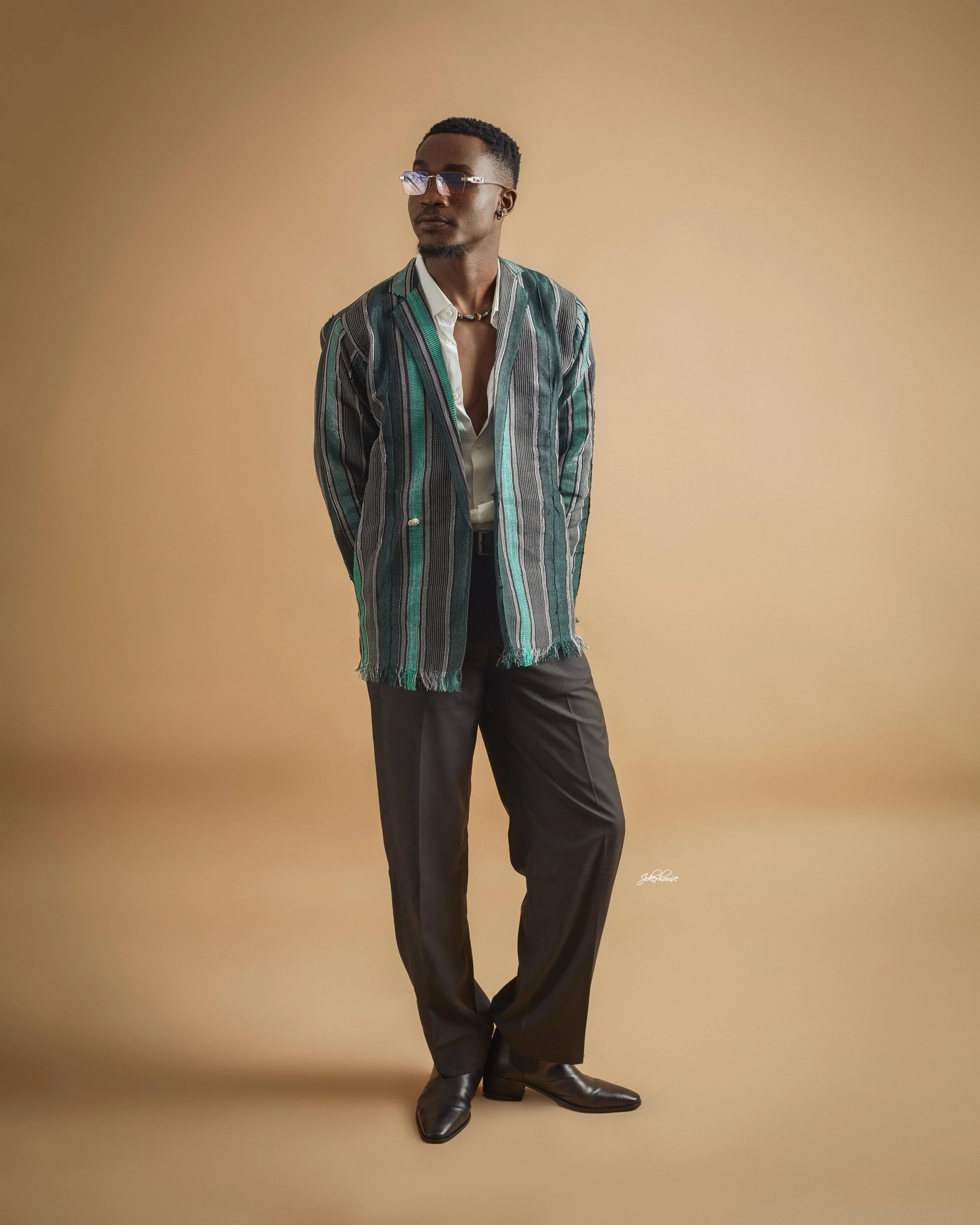
DUROTIMI: I feel encouraged more than anything. When I started acting, my biggest fear wasn’t whether I’d get work. It was whether people would put me in a box. Once an audience believes you can only play one type of character, it becomes difficult to surprise them. So getting the opportunity to play someone like Kola, who’s emotionally layered and carrying so much internal conflict, then playing Young Boma, who has a completely different innocence and emotional rhythm, and then stepping into someone like 100, who’s much more physical, restrained and driven by survival … that reminds me why I chose this career. What excites me isn’t simply playing different people. It’s discovering how differently people carry pain, love, fear and ambition. The truth is every character teaches me something about human beings. Kola taught me that people who appear difficult are often just deeply wounded. Young Boma reminded me how hopeful people can be before life changes them. And 100 showed me how circumstances can shape a person’s morality. As an actor, those experiences stay with you. They don’t just make you better on set, they make you more observant in real life. So I don’t really look at them as separate performances anymore. I see them as different chapters in my education as both an artist and as a person.
LENSVISION: You’ve played distinct roles, from Kola in The Lost Days to Young Boma in Dear Future Wife, and 100 in Son of the Soil. How do you feel?
DUROTIMI: I usually start with one question: “What does this person want more than anything?” Everything else grows from that Once I understand what they ’ re chasing and, more importantly, what they ’ re afraid of losing, their behavior begins to make sense. Then I start paying attention to contradictions. Real people are rarely one thing. The loudest person in the room might actually be the most insecure. The quietest person may be the one with the strongest convictions. Those contradictions are where characters become interesting. Physically, I don’t try to invent mannerisms. I think about the life they’ve lived. Has this person spent years doing manual labour? Do they carry themselves with authority? Are they trying to disappear? Dothey feel like they belong in every room they enter? The body always reveals something the dialogue doesn’t. I approach the voice the same way. I don’t just think about accents. But what kind of background do they have. Some people answer immediately because they’ve spent their lives being heard. Others might be reluctant because they’ve learned to choose every word. Those little details make a character feel lived in instead of performed. As a writer, I also spend a lot of time asking what happened before the scene starts. I create a history for the character, even if it never appears on screen. That history gives me something truthful to play instead of relying on emotion for emotion’s sake. Ultimately, my goal is simple. I want audiences to stop seeing me after a few minutes. If they’re still thinking about the actor, I’ve probably done something wrong
LENSVISION: Playing different characters comes with unique challenges. What is your process for finding a character ’ s voice and physical presence?
LENSVISION: You’re also a writer and director. What kinds of stories are you most drawn to telling right now?
DUROTIMI: I’m fascinated by stories that ask uncomfortable questions about people. I love characters who believe they’re doing the right thing even when everyone else sees them as the villain. Those grey areas are much more interesting to me than stories with obvious heroes and obvious bad guys. Psychological thrillers and horror naturally lend themselves to those conversations, which is why I’m so drawn to those genres. I don’t see horror as monsters or jump scares. I see it as a way of exploring grief, guilt, loneliness, obsession and fear in a very visual way. At the same time, I also enjoy intimate dramas because they force us to slow down and pay attention to human behavior. Tiny moments can completely change someone’s life. As a writer, I want to tell stories that stay with people after the credits. Not because of a plot twist, but because they recognize themselves in a character they thought they would never understand. As a director, I want to create films that trust the audience. I love silence. Subtext. Moments where the audience has to lean in instead of being told exactly what to think. If someone leaves one of my films arguing with a friend about a character’s decision or questioning what they would have done in the same situation, then I feel like the story has done its job.

Edited by Love Olusegun, Photography by Chuxosakwe, Tobijah Buraimoh.