

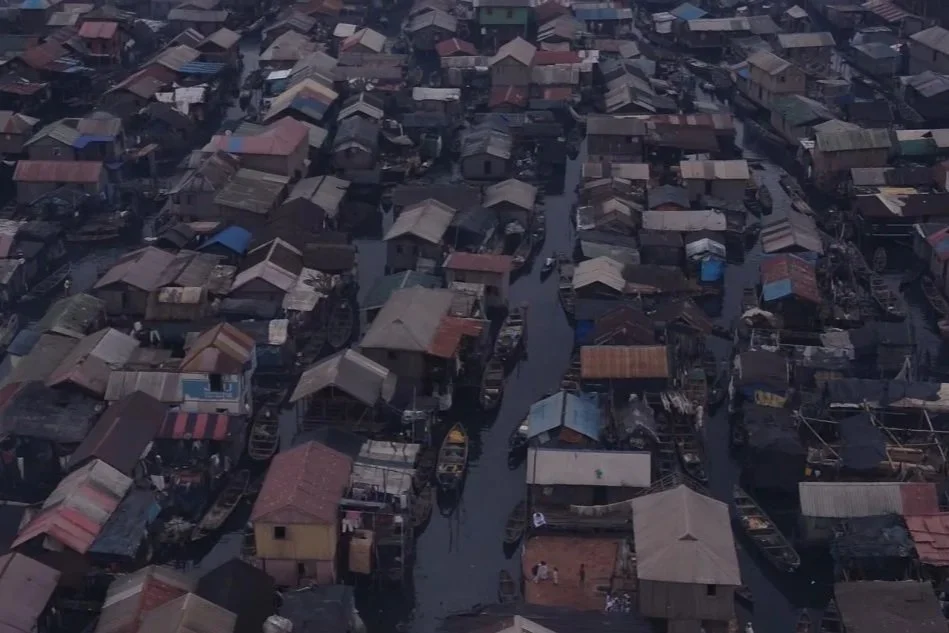
“The World Largest Floating Slum” video by sleemvisual highlights the everyday experiences and ingenuity of Makoko residents. “
A powerful narrative of adaptation and human spirit.
BY LOVE OLUSEGUN
July 21, 2026.
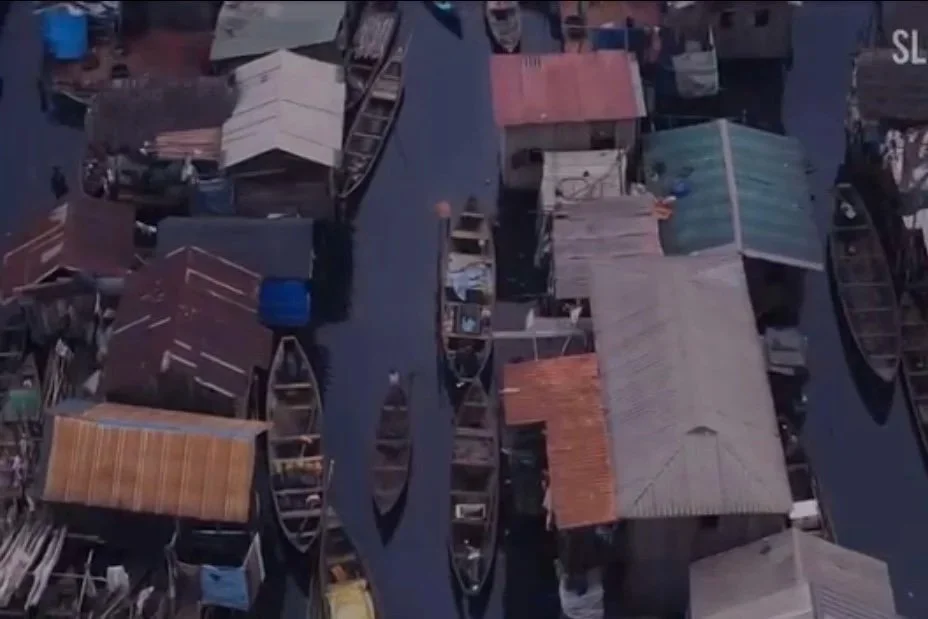
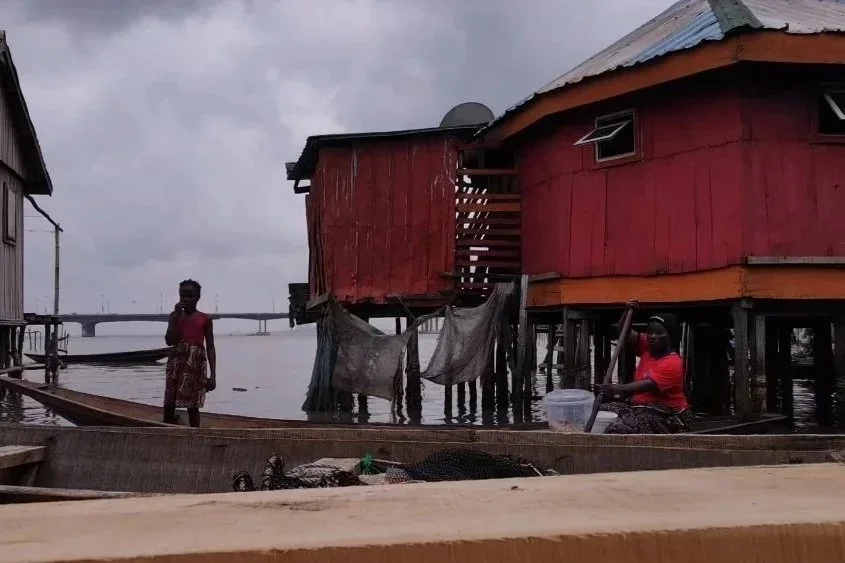
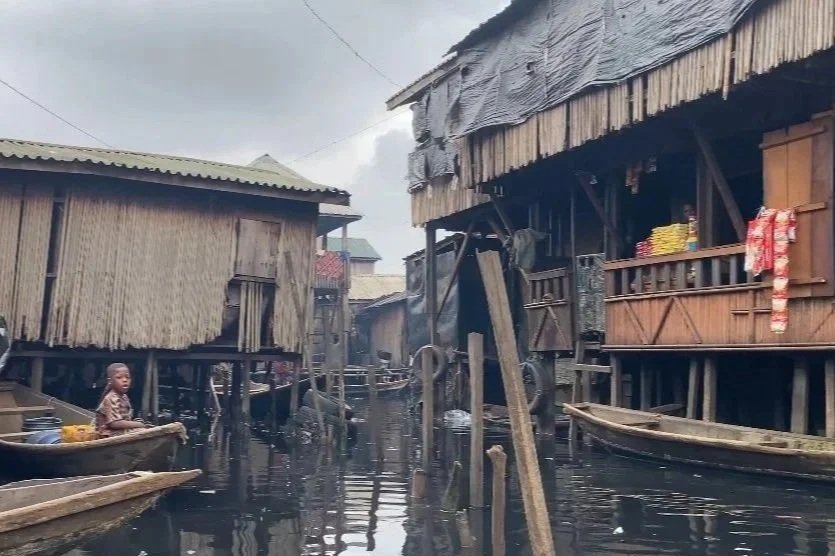
The gray-green waters of the Lagos Lagoon churn beneath the massive concrete expanse of the Third Mainland Bridge. On one side lies the modern, frantic pulse of Nigeria’s economic capital a skyline built on banking, tech, and oil. On the other side, rising directly out of the water on a forest of stilts, is Makoko. Frequently labeled "The World’s Largest Floating Slum," is often viewed through a lens of pity or environmental panic by outsiders. A short by Love Olusegun captures a self-sustaining ecosystem driven by human ingenuity, communal grit, and a deeply rooted aquatic culture. To step into a canoe in Makoko is to enter a world where land is entirely optional. For generations, the residents primarily Egun fishermen who migrated from neighboring Benin and coastal Nigeria have mastered the art of building on water. The stilt houses, constructed from dense, water-resistant hardwood, are architectural marvels of adaptation. They flex against the tidal rhythms of the lagoon and withstand the heavy rains of West Africa. In a city where real estate is notoriously expensive and exclusionary, the people of Makoko built their own neighborhood out of necessity, creating an independent aquatic district.
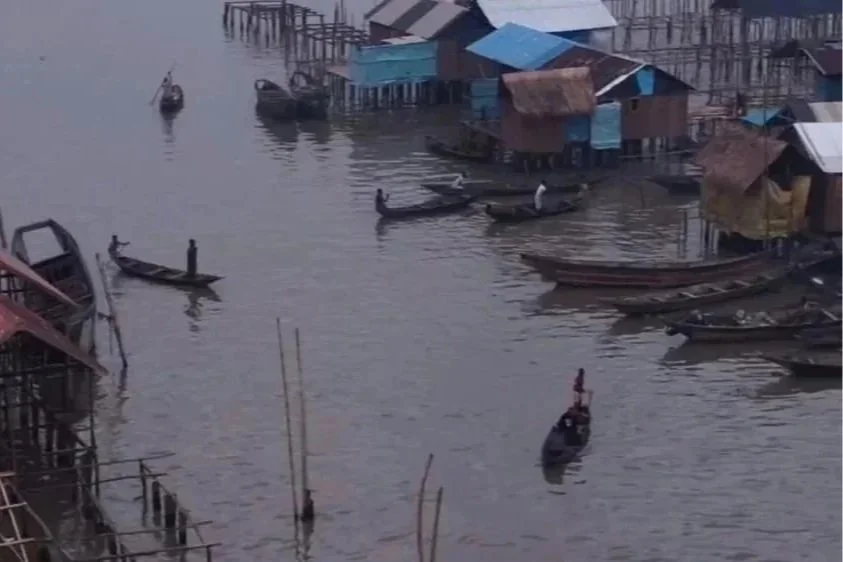
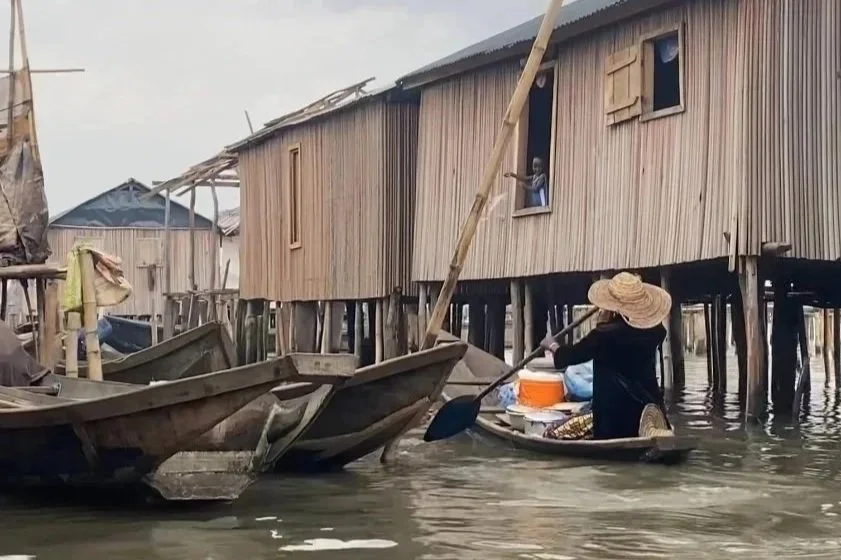
The true brilliance of Makoko, as highlighted by sleemvisual, lies in the everyday systems designed by its inhabitants. Because the state provides virtually no formal infrastructure, the community has filled the void with astonishing creativity. In Makoko, the canoe replaces the car. There are floating convenience stores selling fresh bread, mobile tailors sewing garments on wooden vessels, and floating bars where neighbors gather at dusk. Children learn to paddle before they can write, navigating the complicated water with fluid grace. The community is powered by a robust fishing and fish-smoking economy. Giant wooden smoking trays line the boardwalks, transforming the daily catch into preservation-ready food that feeds not just Makoko, but markets across greater Lagos. The community operates under a highly organized internal governance system led by local chiefs (Baales), who manage everything from minor civil disputes to territorial planning. For decades, international media has treated Makoko as an aesthetic backdrop for poverty tourism. The power of sleemvisual’s work is the intentional shift in perspective. By centering the voices of the residents, the video highlights their dignity, their pride in their heritage, and their refusal to be defined strictly by their hardships. Makoko faces severe threats, ranging from the compounding effects of climate change and rising sea levels to the constant, looming pressure of urban redevelopment and government eviction notices. Yet, the community endures, not through passive survival, but through a restless, brilliant spirit of daily innovation. They are proving that even when built on water, the foundations of human community can remain entirely unshakable.
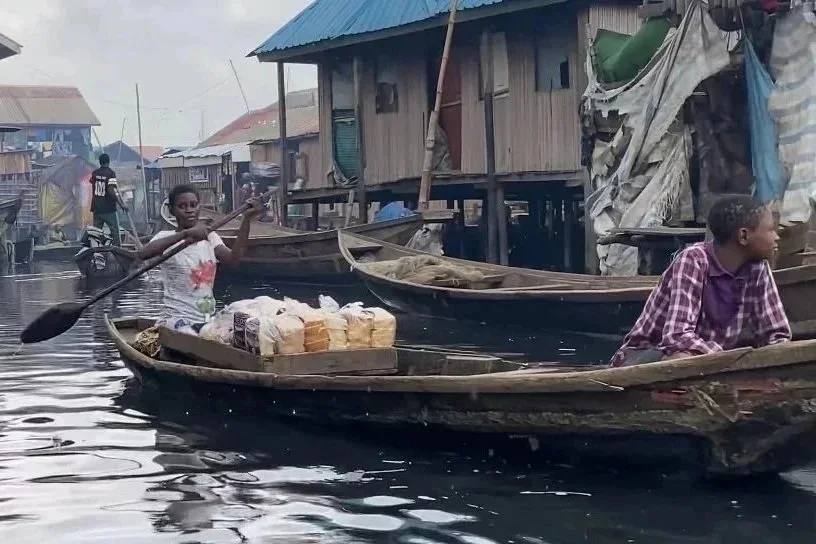
Written by Love Olusegun, photography by Sleemvisual.