

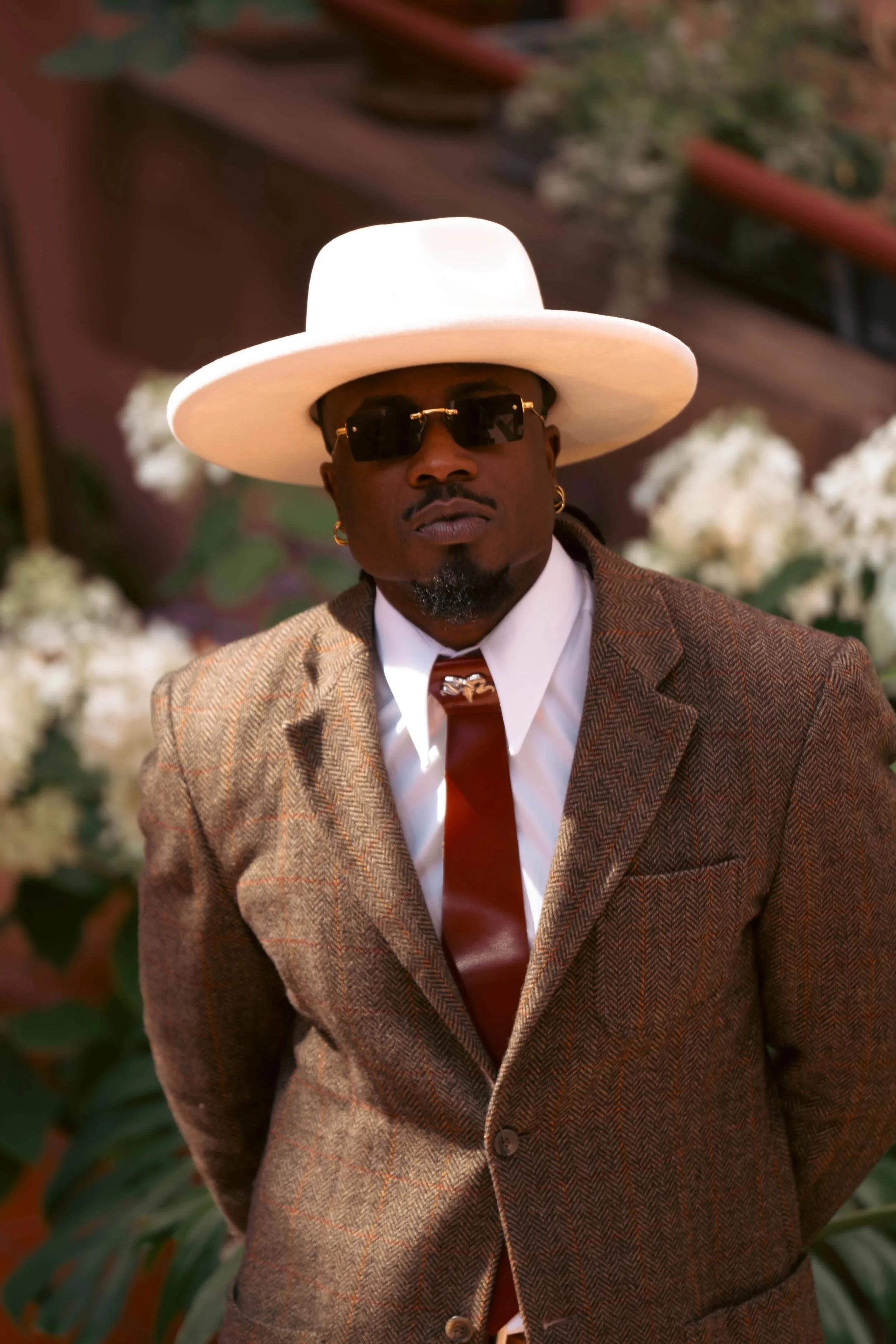
For Richard Aphery, true craftsmanship demands patience, precision, and an unwavering respect for raw materials.
PHOTOGRAPHY BY MICHAEL GIKA
BY LOVE OLUSEGUN
August 31, 2026.
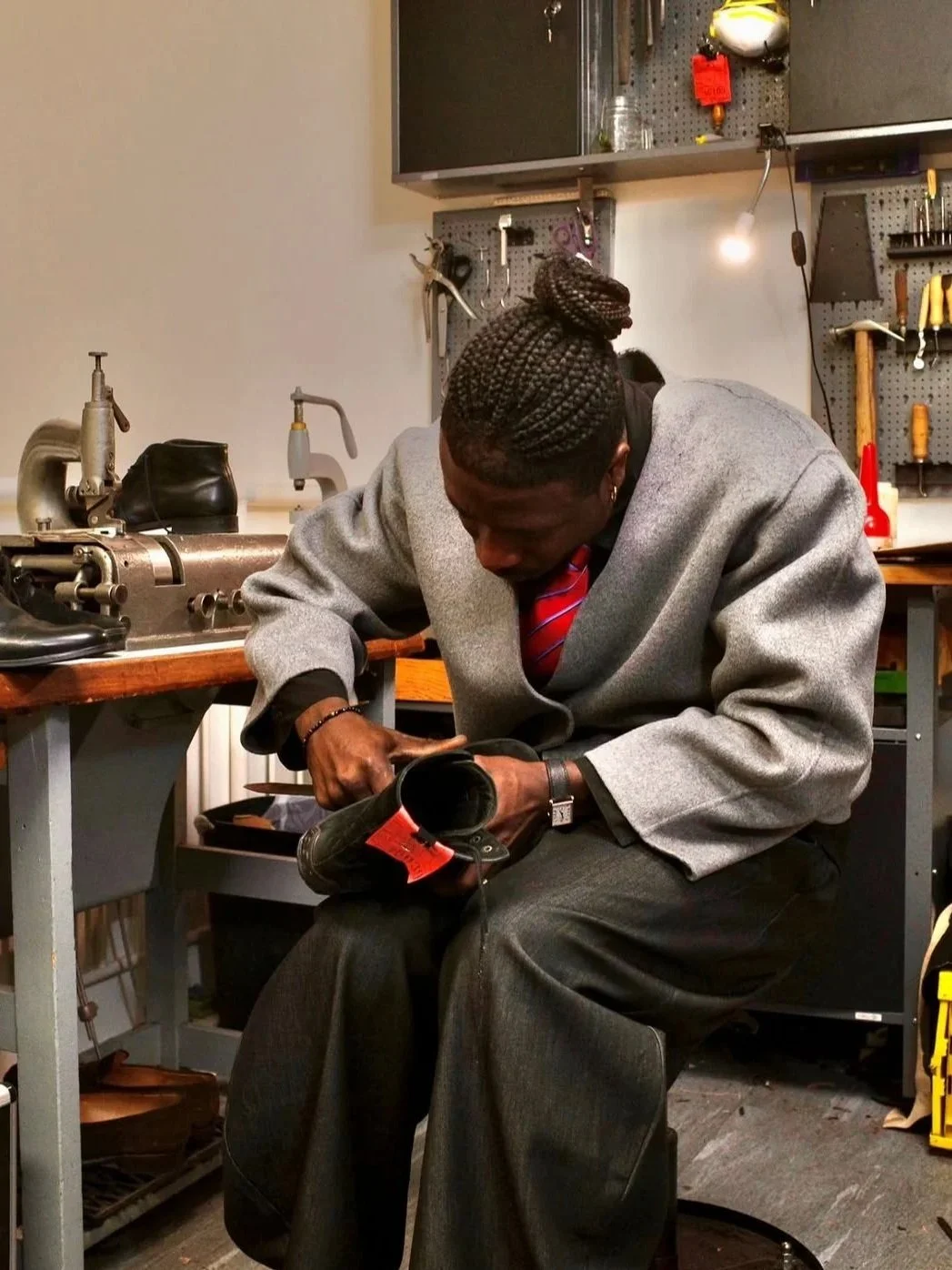
Every great creative journey begins with a search for the right medium. For Richard Aphery, the path to footwear design started with an appreciation for both fashion and tactile construction. Before entering the world of shoemaking, Aphery craved a deeply hands-on process where he could build a three-dimensional object from absolute scratch. Shoemaking provided the ultimate answer, uniting design precision with the raw, organic challenge of working with leather. What began as an experimental interest quickly evolved into a dedicated profession and the core of his creative identity. Today, his work reflects a delicate balance, honoring the centuries-old traditions of the craft while infusing a fresh, modern perspective that feels entirely his own. For him, true craftsmanship demands patience, precision, and an unwavering respect for raw materials. In the world of bespoke footwear, the relationship between the creator and the client is paramount. The typical Aphery client is defined not by demographic markers, but by a shared mindset. They understand the hours of hand-stitching, lasting, and finishing that go into a single pair of shoes. From taking initial measurements and discussing design nuances to crafting an individual wooden last, the experience is deeply collaborative. It is a custom-built extension of identity that grows richer and more personal the longer it is worn.
LENSVISION: What inspired you to embark on the journey of footwear design?
Richard: My journey into footwear design really started with my love for both craftsmanship and fashion. Before shoes, I explored clothing design, but I quickly realized that it wasn't quite the kind of craft I was searching for. I wanted something more hands-on something where I could not only design but build an object from beginning to end. I eventually found that in shoemaking. It brought together everything I was looking for: design, precision, working with my hands, and the ability to turn a raw material like leather into something that can last for many years. The deeper I went into the craft, the more fascinated I became by it. What started as an interest eventually became my profession and a big part of who I am creatively. Today, I try to combine that traditional craftsmanship with my own understanding of fashion and modern design respecting where the craft comes from, while creating something that feels like my own.
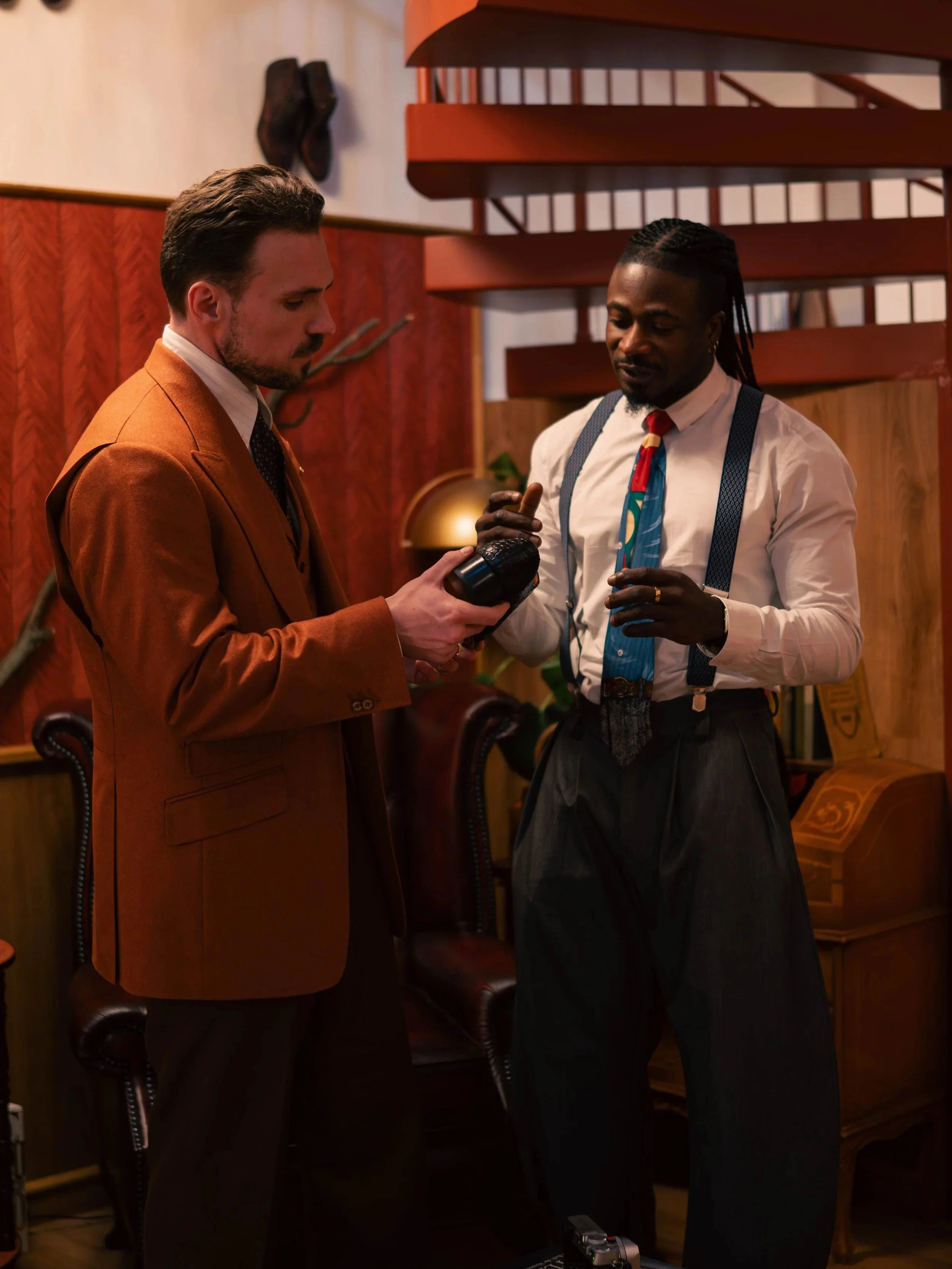
Richard: The typical Aphery client is someone who values individuality, quality and the story behind what they wear. It’s not necessarily about age or profession. I have clients from very different backgrounds, but what connects them is an appreciation for things that are made with intention rather than simply consumed. When someone puts on a pair of Aphery shoes for the first time, I want them to immediately feel that there is something personal about them. Especially with my bespoke shoes, the experience begins long before the finished pair from taking the measurements and discussing the design to creating their individual last and eventually seeing the shoes come together. In the end, I want the shoes to feel like they truly belong to that person. Not something they chose from a shelf, but something that was made for them and will become more personal the longer they wear it. That relationship between the wearer and the object is, for me, one of the most beautiful parts of craftsmanship.
LENSVISION: Who is the typical Aphery Shoes client, and what experience do you want them to have when they put on a pair for the first time?
LENSVISION:As both an artisan and a business founder in Germany, what would you say is your most challenging experience?
Richard: One of the biggest challenges has been learning how to be both a craftsman and an entrepreneur at the same time. As a shoemaker, I naturally want to focus on the product, take my time and make things to the standard I believe in. But running a business requires a completely different mindset. Suddenly you are responsible for finances, marketing, customers, administration and countless decisions that have very little to do with making shoes. Building a craft-based business in Germany also comes with a lot of bureaucracy and financial responsibility, particularly when you are still establishing yourself. There have been moments where I’ve had to learn things the hard way. The challenge for me is finding the balance between the two worlds: growing Aphery as a business without allowing the business to take away what made me start Aphery in the first place the craft!
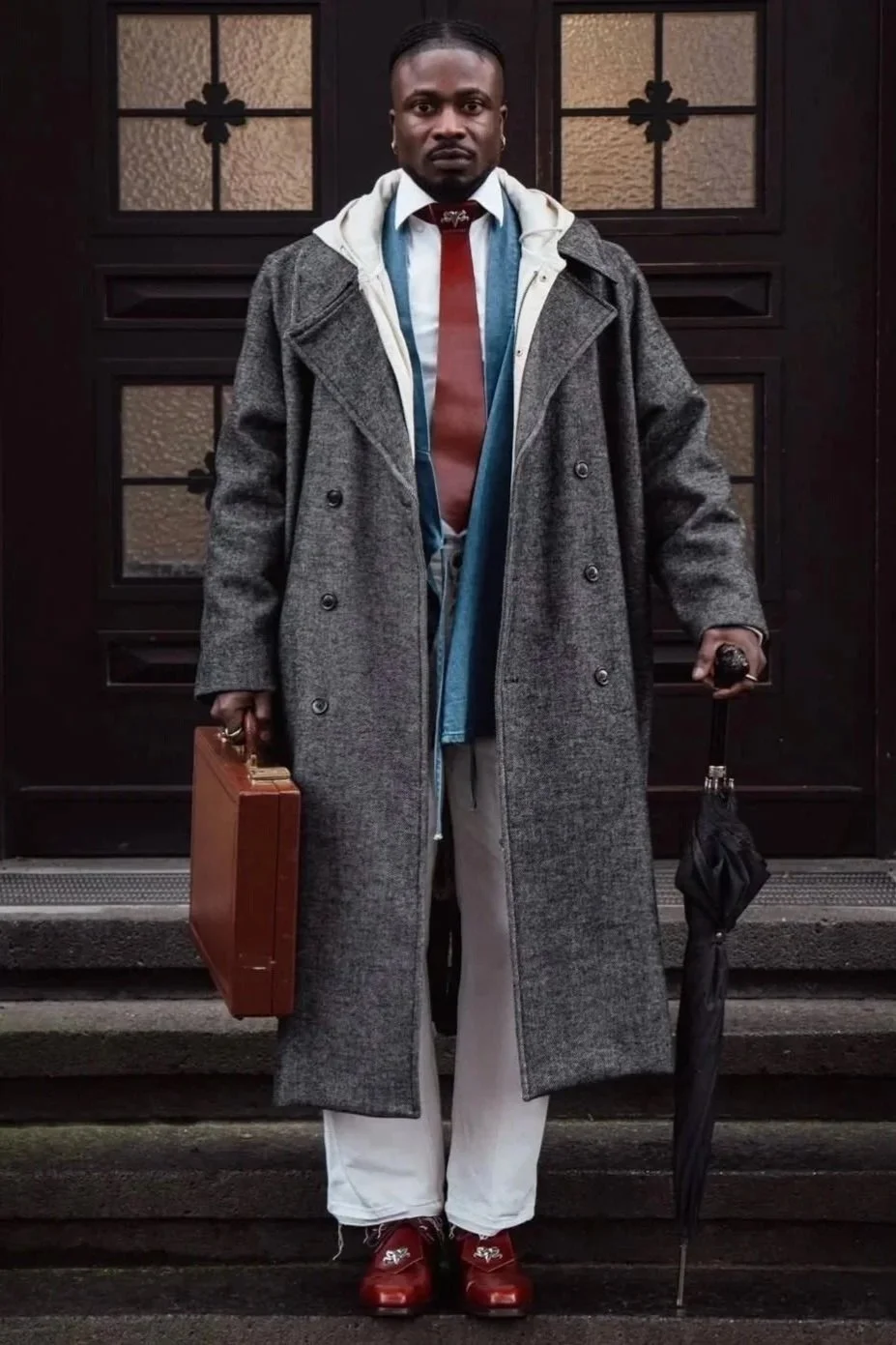
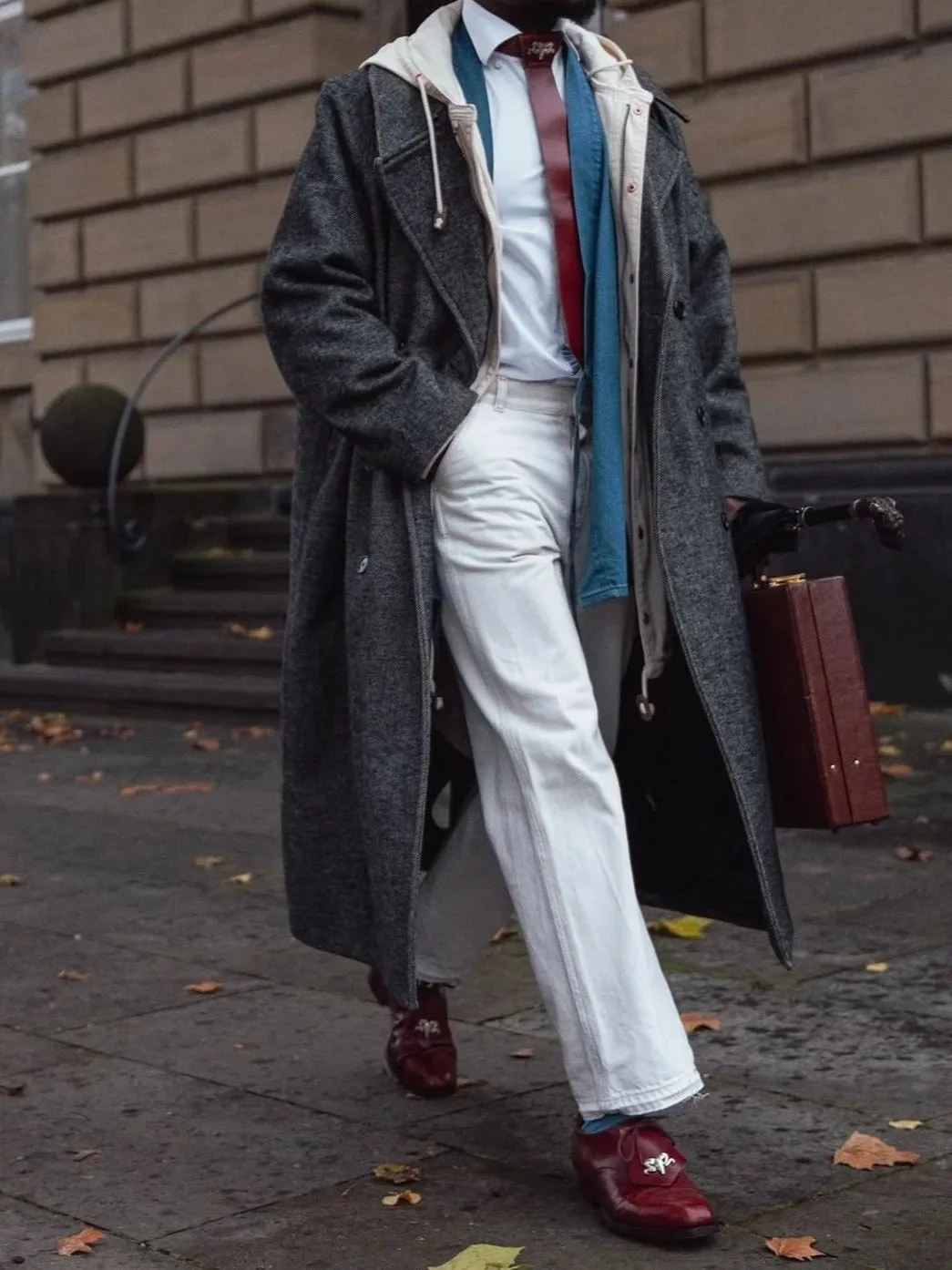
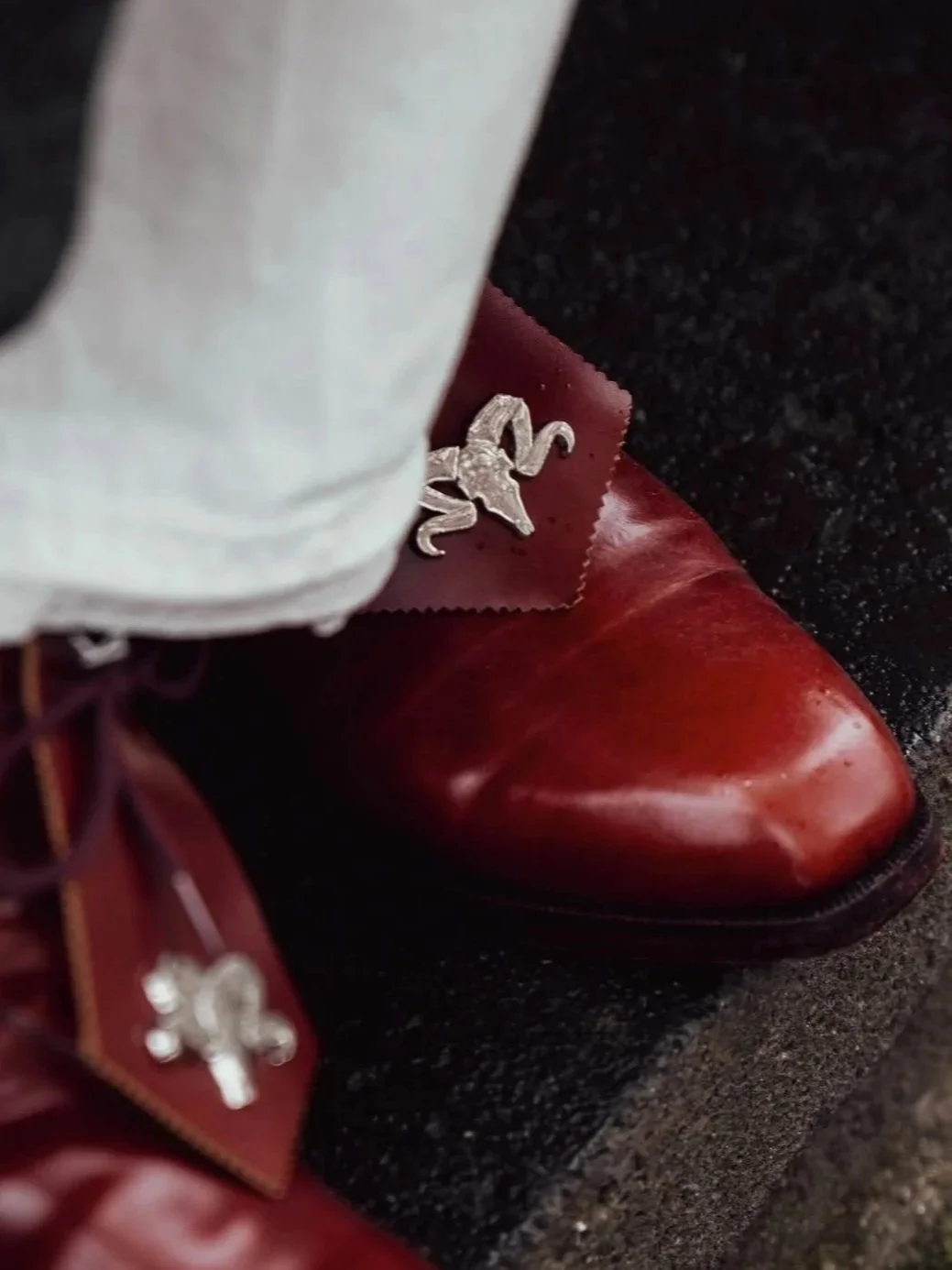
Building an independent, craft-based label comes with unique obstacles. For Aphery, one of the most demanding transitions has been learning to navigate the dual roles of artisan and entrepreneur. Operating a craft-based business in Germany introduces its own layer of regulatory framework and financial responsibility, particularly during the growth phase. Yet, he is overcoming the challenge, scaling the brand without ever compromising the tactile, hands-on passion that sparked the journey in the first place. By treating every pair of shoes as a wearable sculpture, he proves that true luxury is measured in time, intention, and enduring quality.
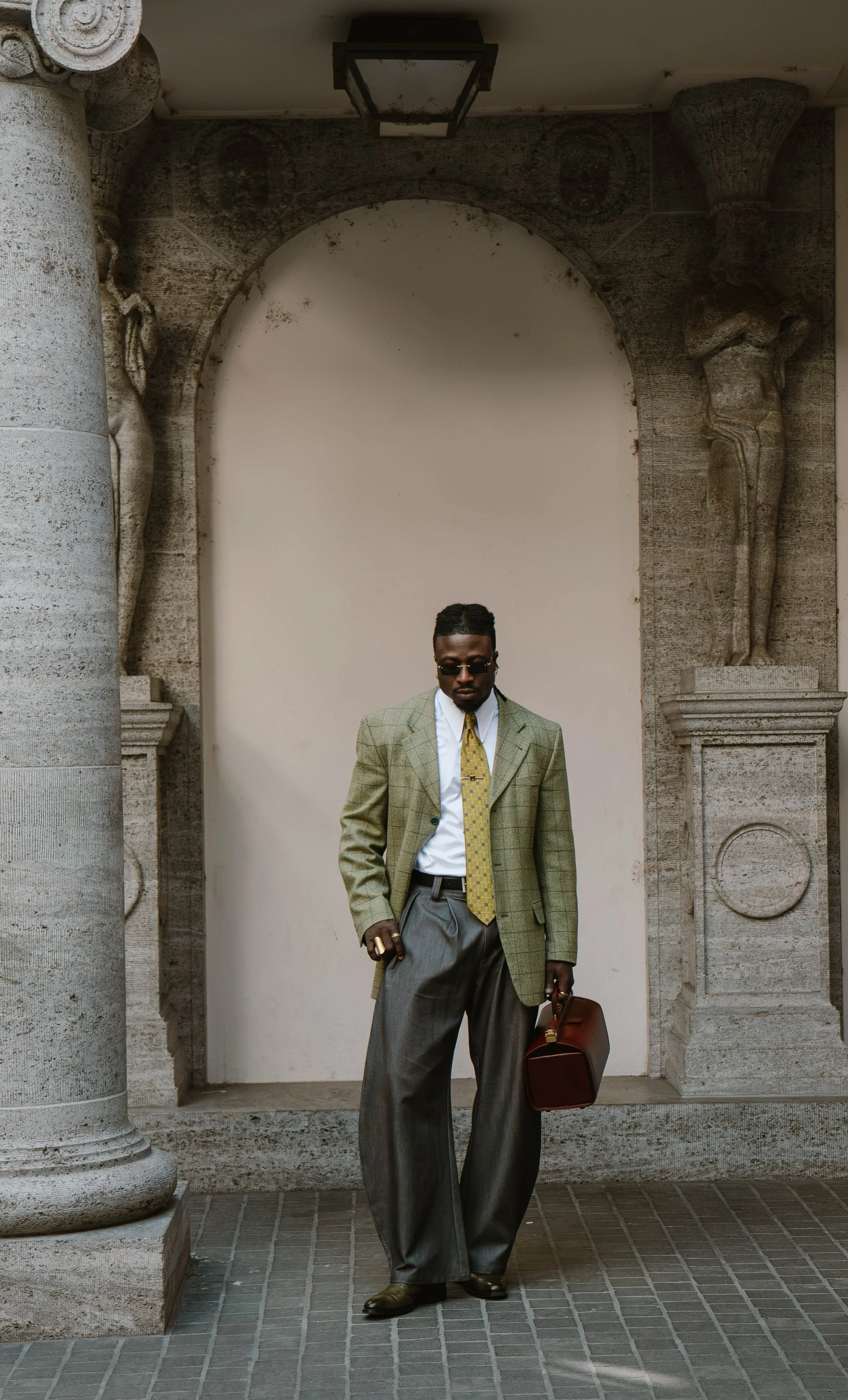
Edited by Love Olusegun, Photography by Michael Gika.