

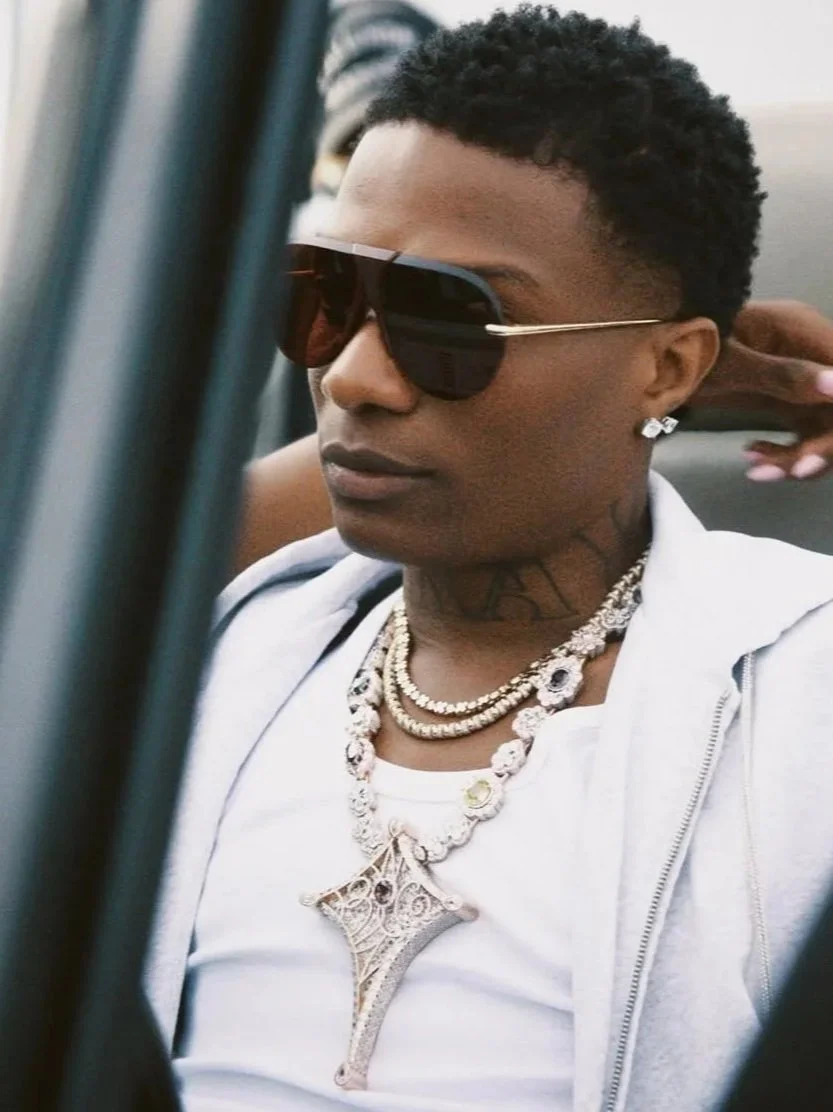
From a teenage pop sensation into a mature, legacy-driven artist. Wizkid is focused on fatherhood, global music dominance, and his 10th music project.
He is proving that an African artist can maintain stadium-level global demand while living a quiet, family-first lifestyle.
BY LENSVISION
July 21, 2026.
The deafening roar of eighty thousand fans vibrating through the concrete of a sold-out European stadium is a sound that can easily swallow an artist whole. For most global pop stars, that level of admiration becomes an addiction, a high that dictates their every public move, social media post, and paparazzi stunt. But when the stage lights finally cut to black, Ayodeji Ibrahim Balogun does something entirely radical for an artist of his magnitude, he simply goes home. In an industry engineered to demand constant visibility, Wizkid has engineered an entirely different reality. Long gone is the teenage pop sensation who bounded across Lagos stages in the early 2010s, asking the world to Holla at Your Boy. Today, as he prepares to unleash his highly anticipated 10th music project, he has morphed into a mature, legacy-driven cultural titan. To understand the weight of Wizkid’s current era, one must look at the trajectory of African pop music over the last fifteen years. He was the undisputed spearhead of the Afrobeats globalization movement, carrying the sound from the streets of Surulere to the top of the Billboard charts. But maintaining the throne requires a different strategy than capturing it. As he navigated his thirties, Wizkid made a deliberate pivot. He stepped away from the frantic competitive rat race of the music business and began to operate with the calculated, unhurried grace of a veteran who knows his legacy is already secured. His upcoming 10th music project serves as the ultimate testament to this evolution.. It is the sound of an artist who is no longer chasing the culture, because he is the one who shaped it.
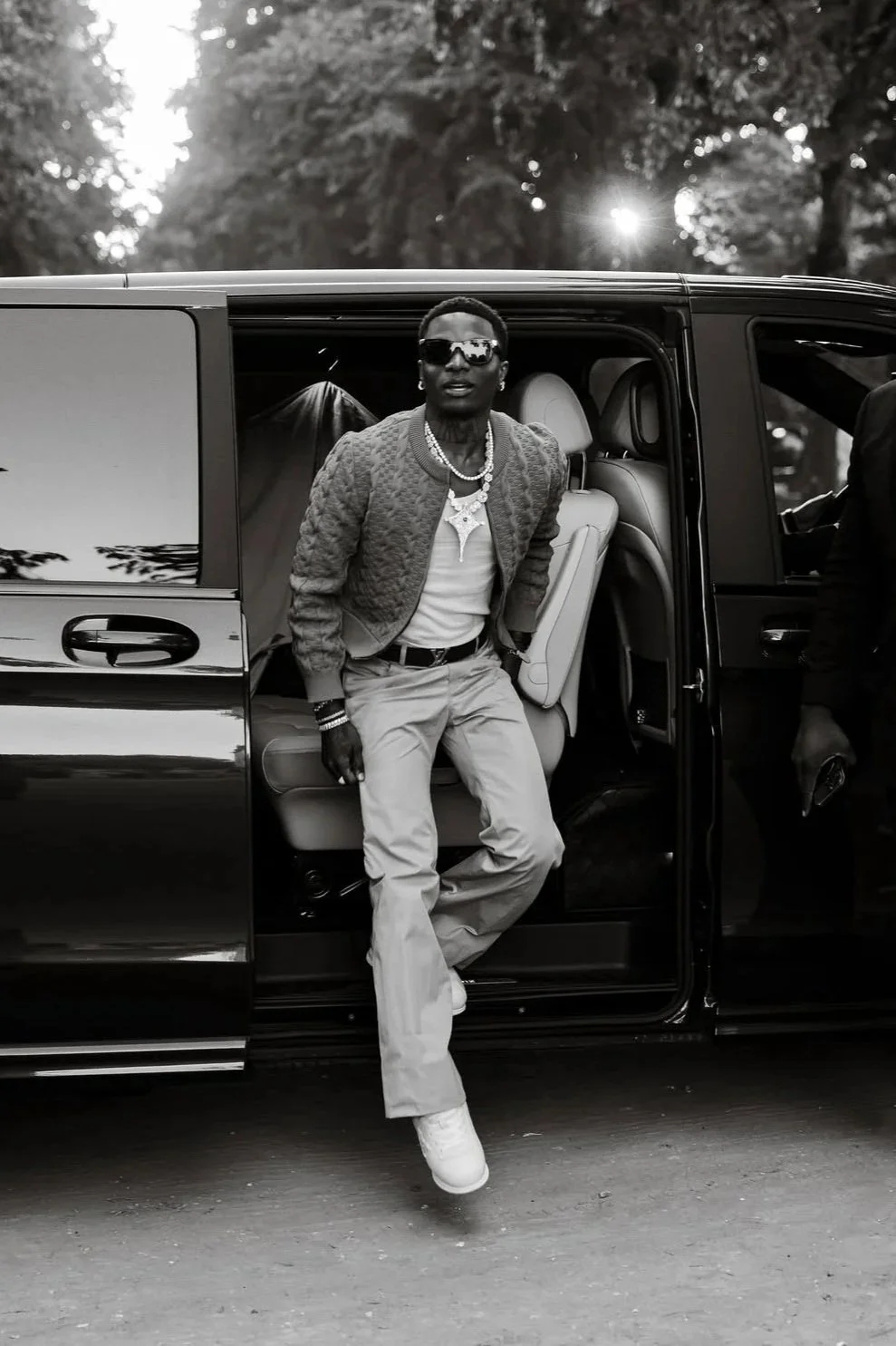
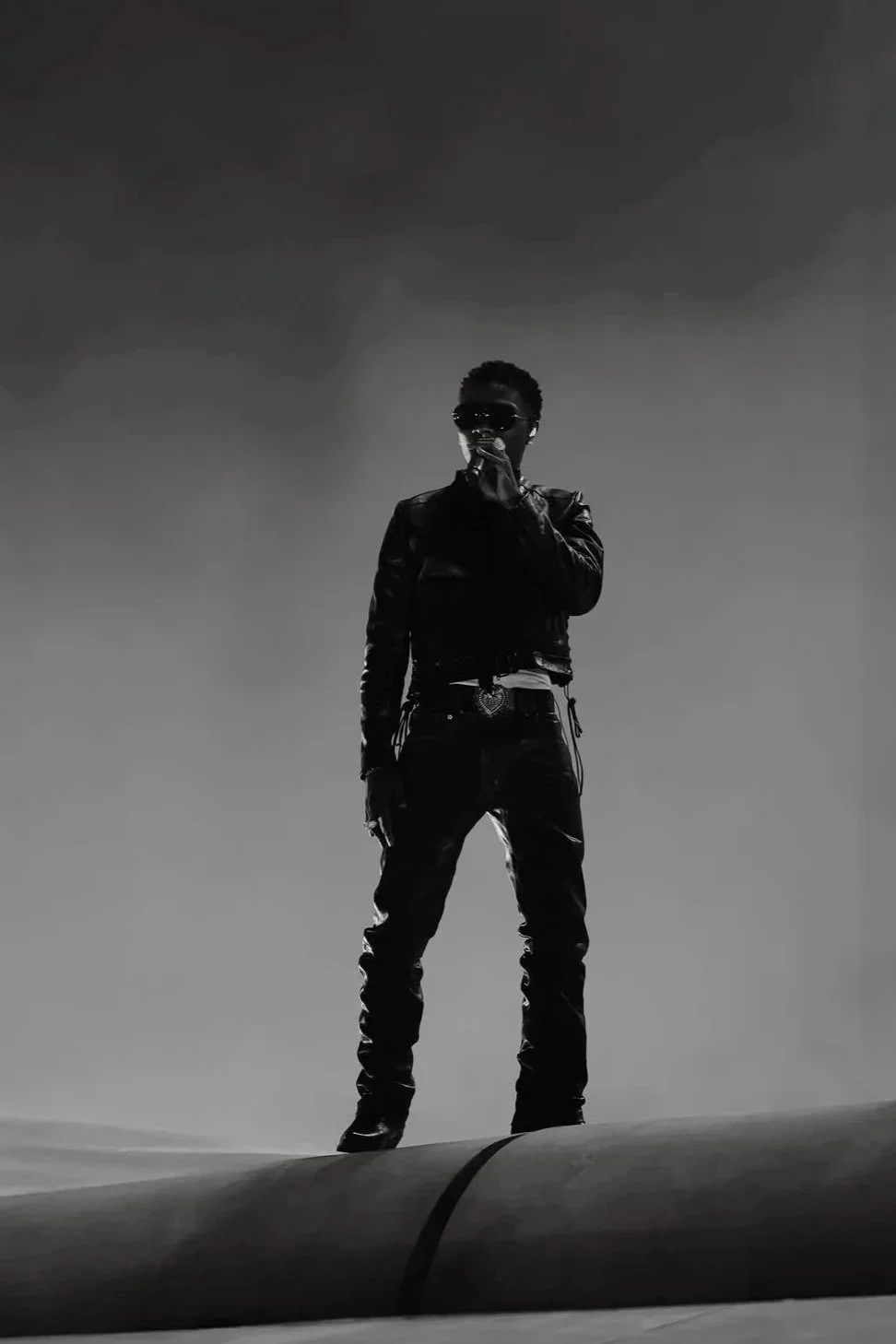
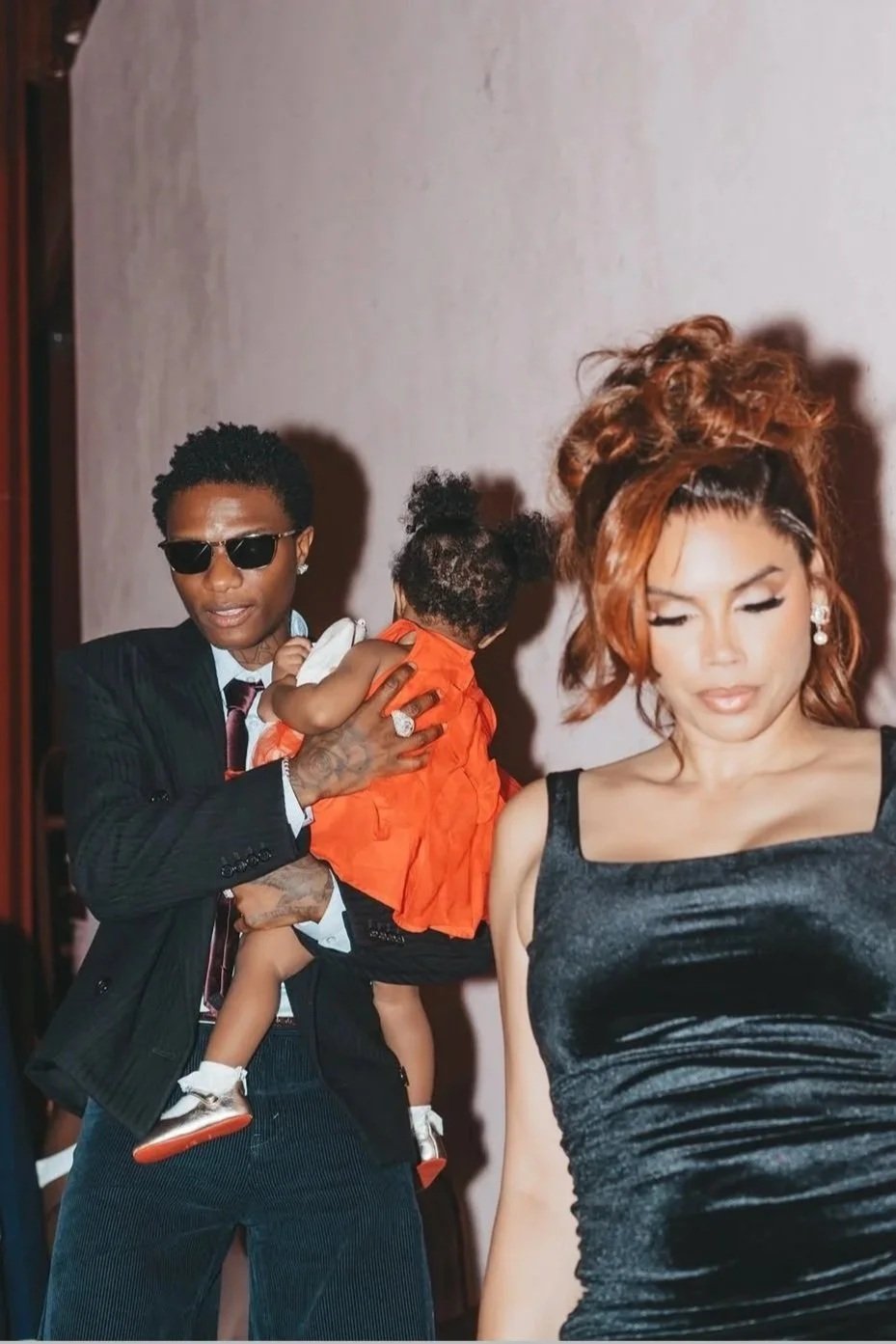
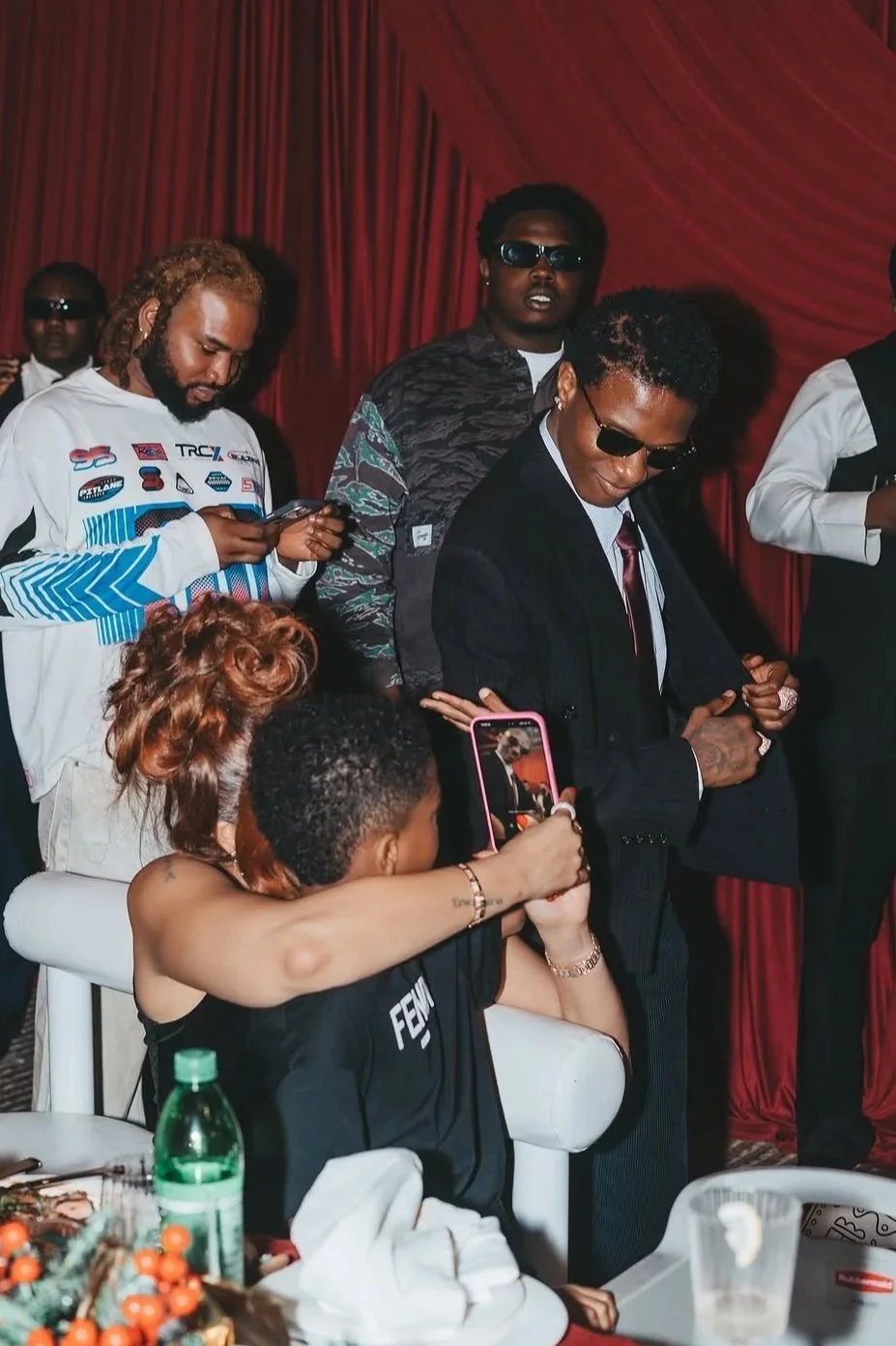
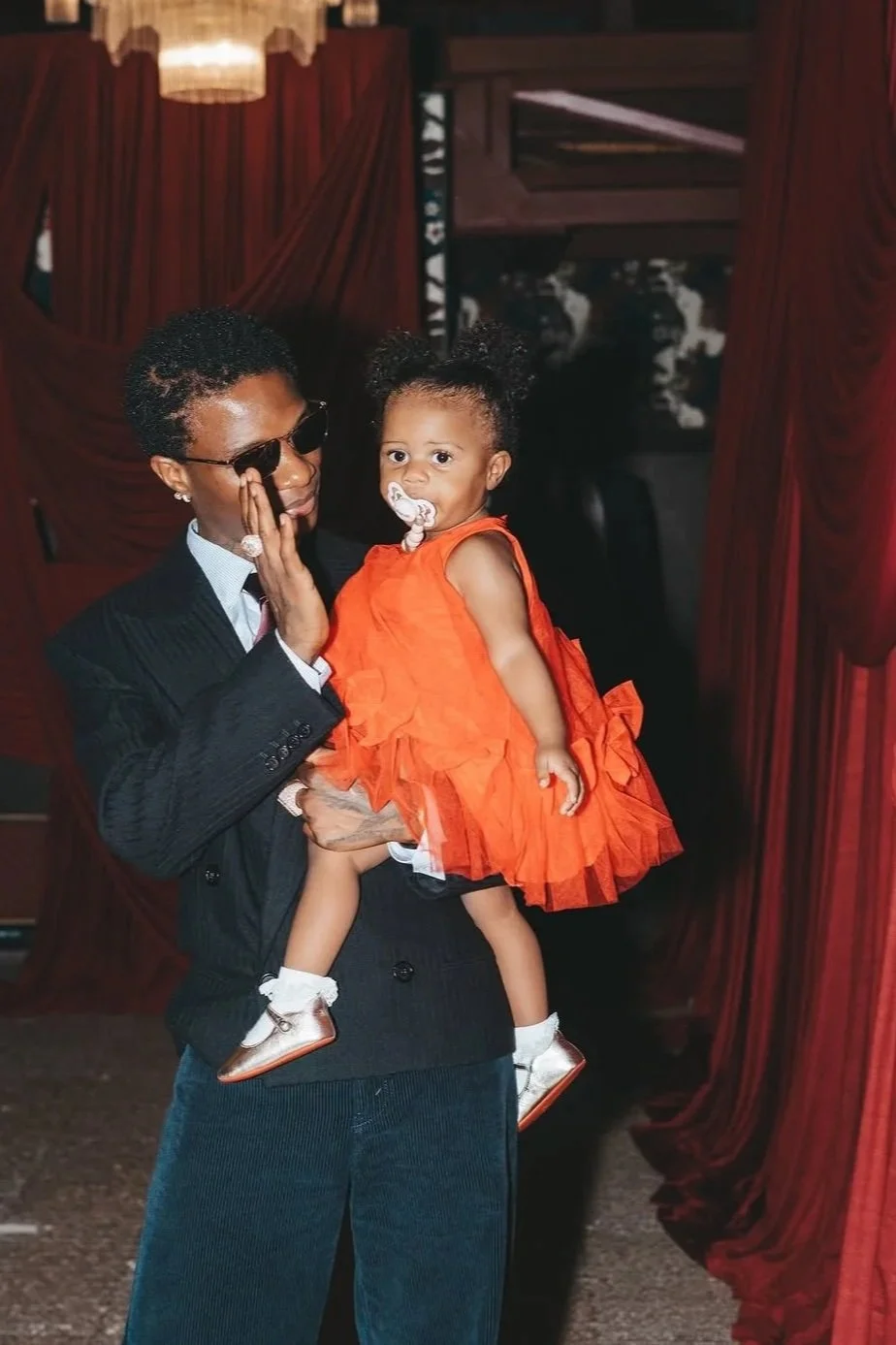
If music is Wizkid’s legacy to the world, fatherhood is his legacy to himself. The most profound shift in his persona over the last decade hasn't been sonic, it has been deeply personal. For Wizkid, fatherhood is not a PR strategy or an aesthetic. It is the foundational anchor of his daily life. Raising his boys has fundamentally rewired his relationship with fame, time, and success. The man who once lived out of suitcases in VIP lounges now prioritizes school runs, quiet family vacations, and the sacred privacy of his children. This profound dedication to his sons serves as a grounding wire, ensuring that the electric current of global superstardom never fries his sense of self. Historically, the Western music machinery has expected African artists to be constantly accessible, to grind endlessly for a seat at the global table. Wizkid has entirely dismantled that expectation. He rarely grants interviews. His social media presence is notoriously sparse, often wiped clean, devoid of the oversharing that defines modern celebrity. Yet, the moment he announces a tour date, digital queues stretch into tens of thousands, and music arena from London to Paris to New York sell out in minutes. He has built a scarcity model based entirely on the undeniable quality of his art. By demanding that the world engage with him purely through his music, he has reclaimed his autonomy. As the release of his 10th project approaches, the global music landscape is watching closely. But Wizkid isn't looking at the charts, and he isn't listening to the noise. He is too busy building an empire in the studio and a sanctuary at home, proving once and for all, that the greatest luxury in the world isn't fame. It's the freedom of life and time with the family.
Edited by Love Olusegun